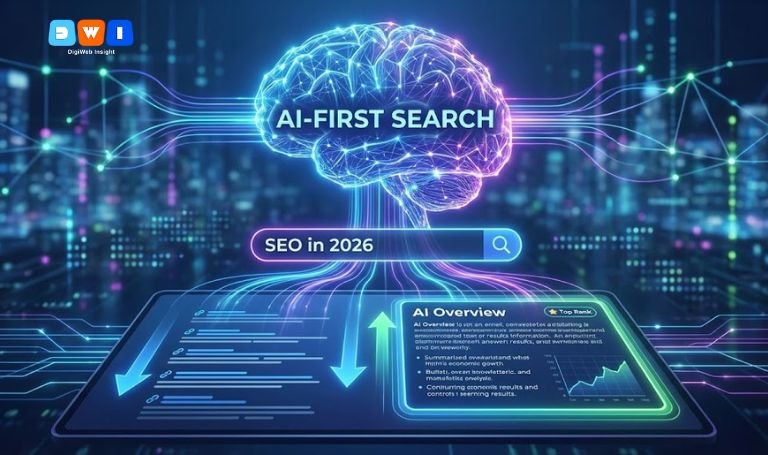
The landscape of search is undergoing a tectonic shift. If you are still relying on strategies from 2023, your website might become invisible. SEO in 2026 is no longer just about optimizing for a search engine; it is about optimizing for an “Answer Engine.”
With Google’s AI Overviews (formerly SGE) now dominating the top of the results page, the way users discover content has fundamentally changed. The days of ten blue links are fading. Instead, AI-generated snapshots provide instant answers, pushing organic results further down the page.
To survive and thrive, you must adapt to this new reality immediately. This guide explores exactly how SEO in 2026 works and the specific steps you need to take to ensure your brand remains visible in an AI-first world.
The Shift to Answer Engine Optimization (AEO)
The biggest change regarding SEO in 2026 is the transition to Answer Engine Optimization (AEO). AI models like Gemini and ChatGPT don’t just index web pages; they read and understand them to synthesize answers.
To rank in these AI snapshots, your content must be structured for machines. This means using clear, direct language. When you ask a question in a heading, the very next paragraph should provide a direct answer.
You should use bullet points, numbered lists, and data tables. AI loves structure. If your content is a wall of text, AI crawlers may struggle to extract the specific facts they need to build an answer for the user.
Why Experience (E-E-A-T) Matters for SEO in 2026
Google has doubled down on E-E-A-T (Experience, Expertise, Authoritativeness, and Trustworthiness). In an era where AI can generate infinite content in seconds, human experience is the only true differentiator.
SEO in 2026 prioritizes content that demonstrates genuine first-hand experience. A generic article about “how to fix a leak” written by AI will lose to a forum thread or a blog post written by a real plumber who shares photos of the process.
To boost your rankings, you must showcase your authors. Include detailed bios, link to their social profiles, and ensure your content cites credible sources. Trust is the currency of the future.
Zero-Click Searches and the Brand Authority Era
A significant trend in SEO in 2026 is the rise of zero-click searches. Users are getting their answers directly from the AI overview without ever visiting a website. While this sounds alarming, it shifts the goal from “traffic” to “visibility.”
If Google’s AI cites your brand as the source of the answer, you build immense authority. This “cited visibility” is critical. You need to focus on building a brand that the AI trusts enough to mention.
This often requires a holistic digital strategy. Integrating web design development that ensures your site is technically flawless is the first step. If your site is slow or broken, AI crawlers will simply ignore it.
Technical Foundations and Schema Markup
Technical SEO is more vital than ever. For SEO in 2026, schema markup is non-negotiable. Schema acts as a translator, explaining your content to the AI in a language it understands perfectly.
You should implement schema for everything: FAQs, articles, products, local business details, and videos. This structured data helps Google understand context, increasing the likelihood of your content appearing in rich snippets and AI overviews.
Furthermore, a fast, mobile-responsive site is a baseline requirement. If you lack the in-house skills to audit your technical foundation, consider partnering with an affordable SEO agency USA to fix these underlying issues.
The Evolution of Keywords
Keywords still matter, but not in the way they used to. Keyword stuffing is dead. SEO in 2026 focuses on “entities” and “topics” rather than exact-match phrases.
Google’s AI understands intent. If a user searches for “best running shoes,” the engine understands they are also looking for durability, price comparisons, and comfort. Your content needs to cover the entire topic comprehensively rather than just repeating a specific phrase.
However, you must still be strategic. If you are struggling to gain organic traction during this transition, using pay per click PPC marketing can help bridge the gap, ensuring you get eyes on your content while your organic authority builds.
Social Search and Video Content
Search is no longer limited to Google. Users, especially younger generations, use TikTok, YouTube, and Reddit as primary search engines. SEO in 2026 requires a “Search Everywhere” approach.
Your content strategy must include video. Google frequently includes video snippets in its AI overviews. Optimizing your video titles, descriptions, and transcripts is just as important as optimizing your blog posts.
Additionally, forum discussions are ranking higher than ever. Participating in community discussions and having your brand mentioned on platforms like Reddit sends strong trust signals to Google’s algorithms.
How to Prepare Your Site Today
To get ready for SEO in 2026, start by auditing your existing content. Is it helpful? Does it have a unique human voice? If it reads like a generic wiki entry, rewrite it.
Focus on building topical authority. Instead of writing about random subjects, go deep into one niche. Create a web of interconnected content that proves to Google you are the subject matter expert.
Visit DigiWebInsight to learn more about building a comprehensive digital strategy that aligns with these future trends. The earlier you adapt to these changes, the harder it will be for big brands to crush you.
Conclusion
The future of search is intelligent, conversational, and fast. SEO in 2026 will reward creators who provide genuine value, structured data, and human insight. By shifting your focus from “hacking the algorithm” to “answering the user,” you ensure your website remains a valuable resource in the AI-first era.
Start optimizing your schema, showcasing your authors, and building your brand authority today. The shift is already happening, and the winners of tomorrow are preparing now.