The landscape of U.S. immigration is shifting once again, and for high-skilled workers, keeping up with H-1B visa updates is critical for a successful application. In a significant move impacting thousands of foreign professionals, the U.S. Department of State has rolled out stricter social media vetting protocols for late 2025. These changes don’t just apply to the primary visa holder; they now extend to family members and dependents, signaling a tougher stance on national security and background screening.
If you are preparing to apply for or renew your H-1B visa, understanding these digital scrutiny measures is no longer optional—it is essential. This guide breaks down the new “public profile” mandates, the expansion to H-4 dependents, and what you need to do immediately to ensure your digital footprint doesn’t jeopardize your American dream.
1. Mandatory “Public” Social Media Profiles
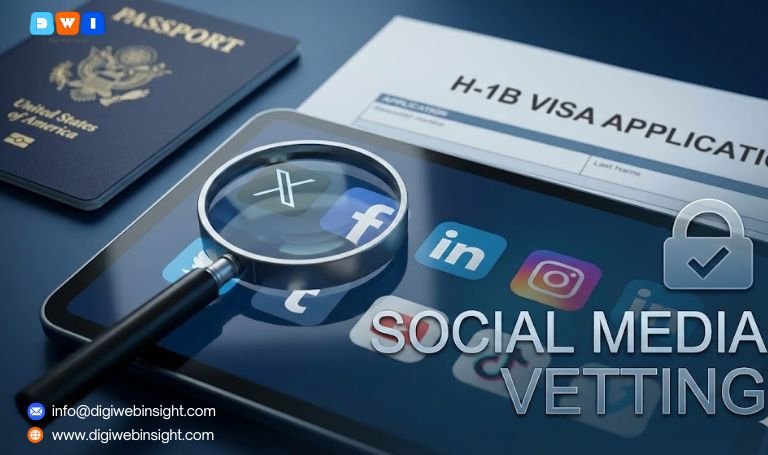
The most urgent change among the recent H-1B visa updates is the requirement for transparency on social media. Starting December 15, 2025, consular officers are instructed to require applicants to set their social media profiles to “public” during the vetting process.
- The Old Rule: Previously, providing social media handles was part of the DS-160 form, but private accounts often remained inaccessible to officers without a warrant or specific cause.
- The New Reality: Applicants for H-1B visas (and other categories like F, M, and J) must ensure their profiles on platforms like Facebook, X (formerly Twitter), Instagram, and LinkedIn are visible to the public.
- Why It Matters: This allows consular officers to freely review your timeline, posts, and interactions to check for any “hostility” toward the U.S., ties to extremist groups, or inconsistencies with your application details. A locked profile could now delay your processing or trigger a request for further evidence.
2. Expanded Vetting for “Censorship” and Misinformation Roles
A distinct and controversial addition to the H-1B visa updates in late 2025 is the heightened scrutiny on applicants with professional backgrounds in content moderation, “fact-checking,” or misinformation policy.
Stemming from new administrative directives, consular officers have been guided to scrutinize the employment history of tech workers—specifically those who have worked for major social media or tech firms. The goal is to identify individuals who may have been involved in what the current administration terms “censorship” or the suppression of free speech.
Warning: If your resume includes terms like “Trust and Safety,” “Content Moderation,” or “Compliance,” expect deeper questioning. Ensure your LinkedIn profile accurately reflects your technical role and does not misrepresent your duties, as discrepancies between your CV and online presence are a primary red flag.
3. Scrutiny Extends to H-4 Dependents
Perhaps the most surprising of the H-1B visa updates is the inclusion of H-4 dependents in this rigorous screening. Spouses and children accompanying H-1B holders must now adhere to the same social media standards.
- Family Unit Review: The digital footprint of a spouse is now fair game for assessing the primary applicant’s eligibility.
- Action Item: Families should sit down and review their collective online presence. An old, forgotten post by a dependent could theoretically complicate the visa issuance for the entire family. It is vital to ensure that all family members’ public content is consistent with the non-immigrant intent of the visa.
Practical Steps to Protect Your Application
With these strict H-1B visa updates in play, passive compliance isn’t enough. You need to be proactive.
Audit Your Digital Footprint
Before you submit your DS-160 or appear for an interview, conduct a thorough audit of your online presence. Search for yourself on Google and review your past 5 years of activity on all major platforms. Remove or archive content that could be easily misinterpreted or viewed as hostile.
Align LinkedIn with Your Resume
Inconsistencies are the easiest trap to fall into. If your visa petition says you are a “Software Engineer” but your LinkedIn headline says “Freelance Consultant” or “Activist,” it raises questions about your true intent and employment status. Ensure your public professional persona matches the documents submitted to the USCIS.
Prepare for Delays
With the added layer of “online presence reviews,” processing times at consulates may increase. While premium processing is available for the USCIS petition stage, it does not speed up the consular interview or the administrative processing (221g) that often follows a social media flag. Plan your travel buffers accordingly.
The Broader Context: Fees and Future
These social media rules are arriving alongside other major shifts, such as the proclamation regarding the $100,000 fee for new H-1B petitions filed after September 2025. While that fee impacts the employer’s cost of hiring, the social media rules impact the applicant’s personal privacy and admissibility.
Navigating these waters requires expert help. For assistance with your digital strategy, consider consulting our guide on Web Design & Development to understand how digital footprints are managed, or explore our Affordable SEO Agency USA services to see how online presence defines professional identity.
If you are a business owner looking to hire, staying compliant with marketing and hiring laws is equally crucial. Learn more about compliant advertising strategies in our Pay-Per-Click (PPC) Marketing section.
For more comprehensive digital insights, visit DigiWeb Insight.